.webp)


.webp)
AETEA has three distinct sparkling tea blends, each built around a different tea base, because different teas produce fundamentally different drinking experiences.
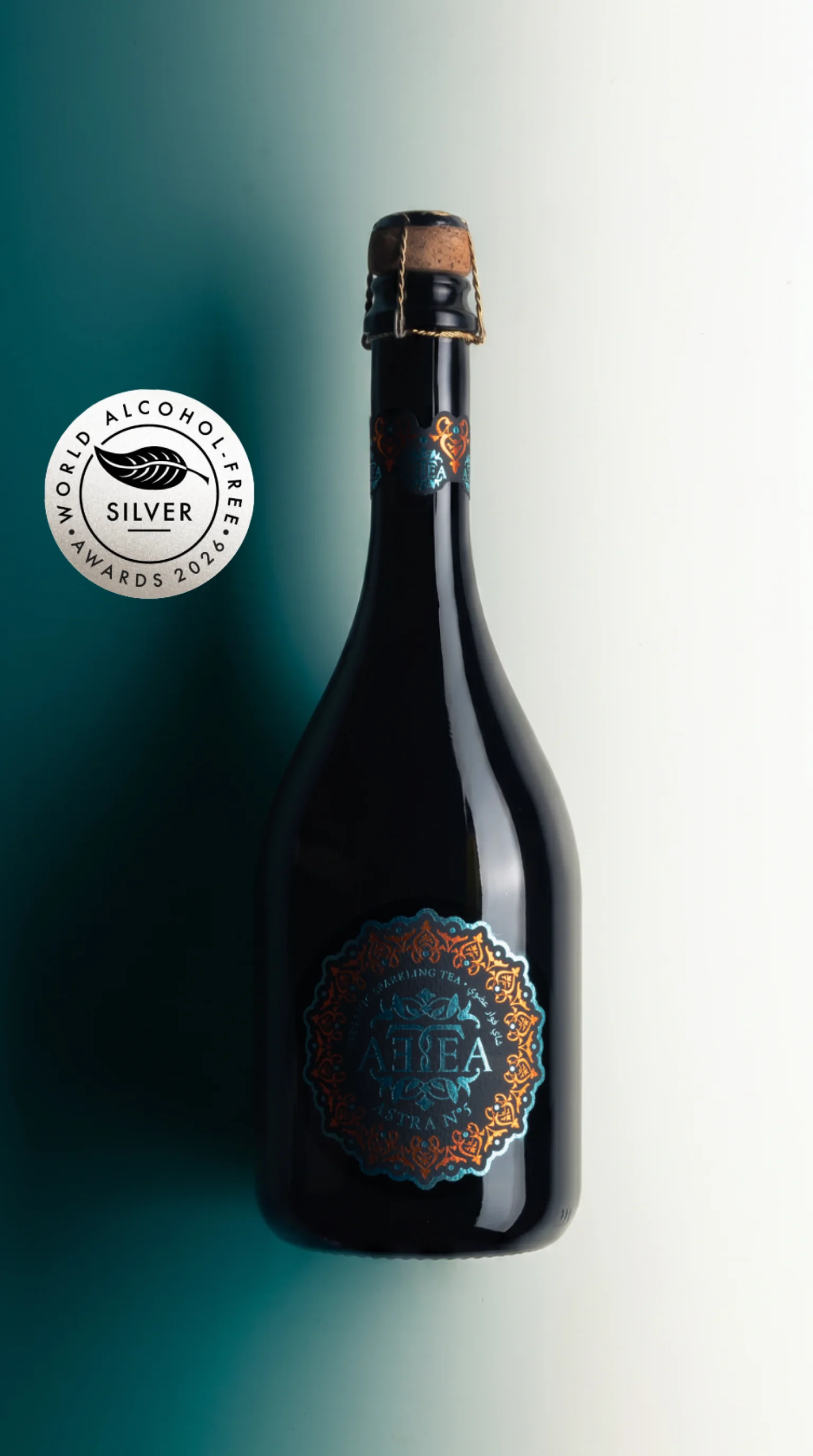
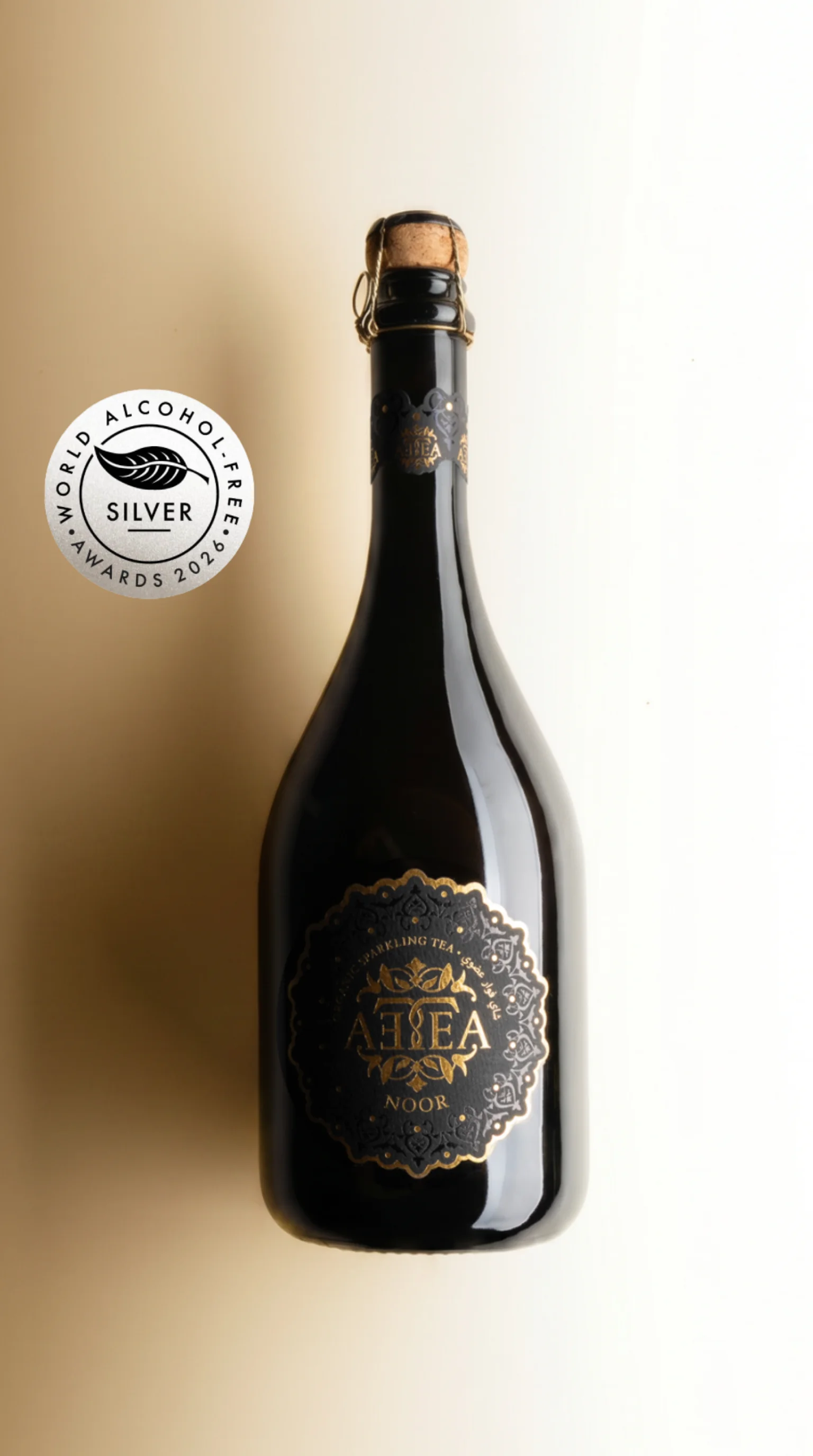
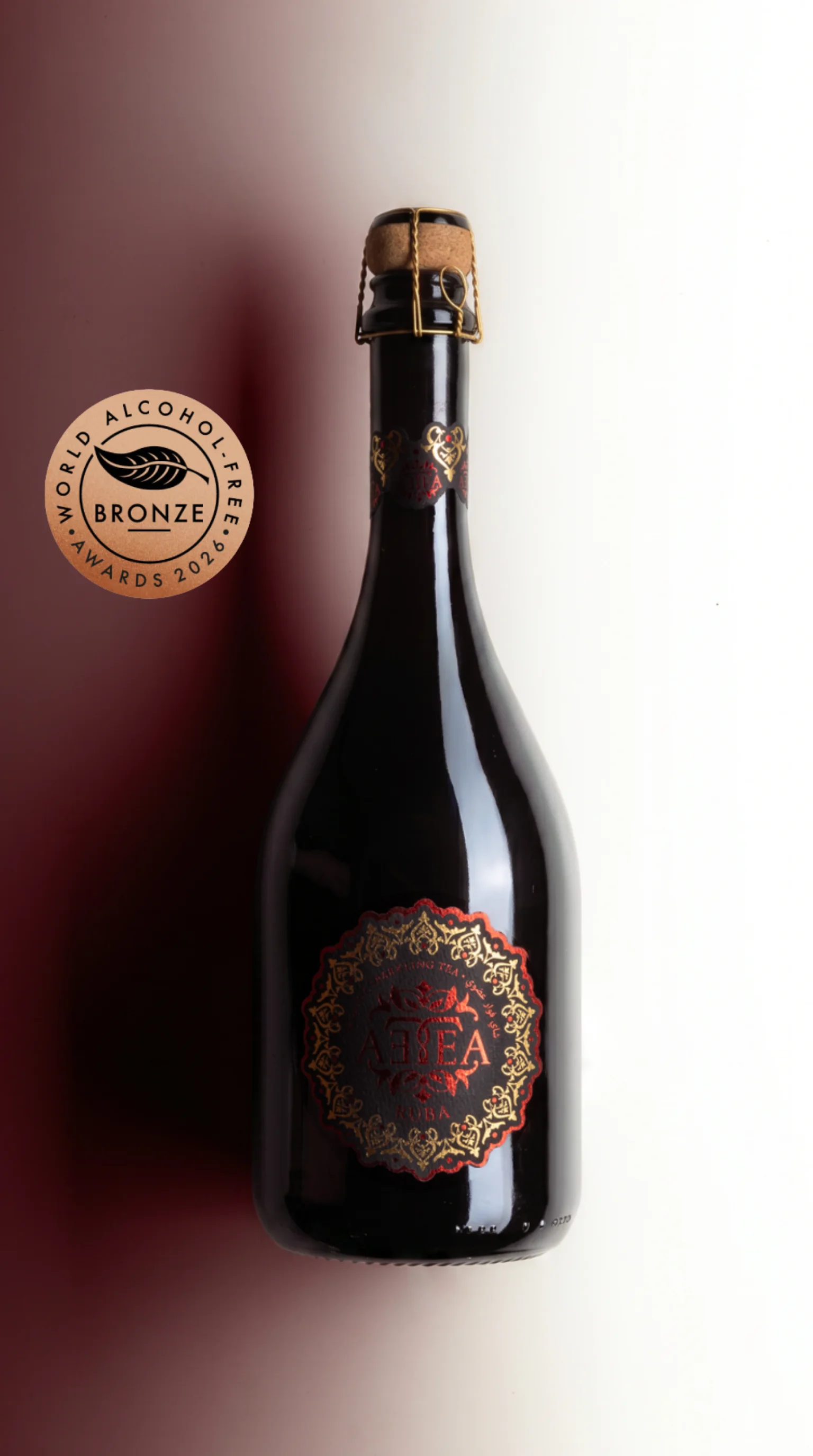
Astra is built for depth and warmth, Noor for clarity and lightness, and Ruba for boldness and vibrancy. The choice of base tea is not aesthetic;
it drives the flavor, color, caffeine level, and character of every bottle.
Most sparkling drinks treat flavor as something you add at the end, a syrup, a concentrate, a drop of artificial essence.
AETEA works from the opposite direction. The tea comes first, brewed from real organic leaves and botanicals, and everything else follows from that foundation.
Understanding what each base tea actually does helps explain why the three blends taste so genuinely different from each other, and why that difference matters at the table.
Rooibos is a woody, reddish plant native to the Cederberg region of South Africa, where it has been brewed for centuries
Its defining properties are an earthy warmth, a natural sweetness with no bitterness, and a complete absence of caffeine.
That caffeine-free profile is rare among teas, and it makes rooibos an ideal evening companion, or a choice for anyone who wants a complex, satisfying drink without any stimulant effect.
In Astra, rooibos is paired with dates and a touch of lemon. Dates bring a deep, honeyed sweetness that complements the earthiness of the rooibos,
while lemon adds a citrus brightness that stops the drink from feeling heavy.
The result is a blend with genuine warmth and depth: amber in color, layered in aroma, and grounding rather than stimulating. It suits longer meals, richer dishes, and evening gatherings.
Chamomile is one of the oldest botanical teas in the world, used across Arabic, European, and Asian traditions for its soft floral character and calming qualities.
Green tea brings something different: clarity, a faint natural sweetness, and a gentle caffeine lift that energizes without sharpness.
Together, these two teas create a blend that is neither purely herbal nor purely caffeinated, but something balanced between the two.
Noor is the lightest of the three blends in both color and character. Its golden hue and soft aroma suit daytime occasions, lighter meals, and moments where you want the drink to feel present without overpowering the food or the conversation.
The citrus note in Noor lifts the chamomile's floral quality and keeps the finish clean rather than lingering.
Hibiscus is one of nature's most vivid flavoring plants. Its tartness is natural, coming from organic acids in the dried flower petals, and its deep ruby color requires no artificial enhancement.
In beverages, hibiscus has long been valued across the Middle East, the Caribbean, and West Africa for exactly this quality: bold, striking, and instantly recognizable without being sharp or artificial.
Oolong tea sits between green tea and black tea in terms of oxidation, giving it a more complex flavor profile than either. Where green tea is clean and light, oolong has fragrance, body, and a longer finish.
Paired with hibiscus, it creates a drink that can hold its own next to food with real intensity: grilled meats, spiced dishes, and desserts with fruit or chocolate.
Ruba is the boldest pour of the three, vivid in the glass and layered on the palate. It is the blend guests tend to ask about by name after a dinner.
The way a tea is processed before brewing has a direct impact on the flavor of the final product.
Green tea is minimally processed, which preserves its freshness and lightness. Oolong is partially oxidized, which deepens and complicates its flavor. Rooibos is fermented gently after harvesting, which softens any astringency and develops its natural sweetness. Chamomile is dried whole from the flower, which concentrates its aromatic oils.
None of this happens by accident. Choosing rooibos for Astra rather than black tea, or oolong for Ruba rather than green tea, produces a completely different result in the bottle.
These decisions are made at the source, before carbonation or bottling ever begins.
Because different tea bases produce genuinely different drinking experiences. One blend cannot serve every mood, occasion, or food pairing well. Three blends allow AETEA to offer real variety without compromising on quality in any direction.
Yes. All three blends use certified organic tea and botanical ingredients.
Astra, built on rooibos, is the only naturally caffeine-free blend in the AETEA range.
Yes. Astra, Noor, and Ruba are built from different tea bases and botanical ingredients, which means they differ in color, aroma, flavor profile, and finish. Tasting them side by side is the clearest way to understand the range.