.webp)


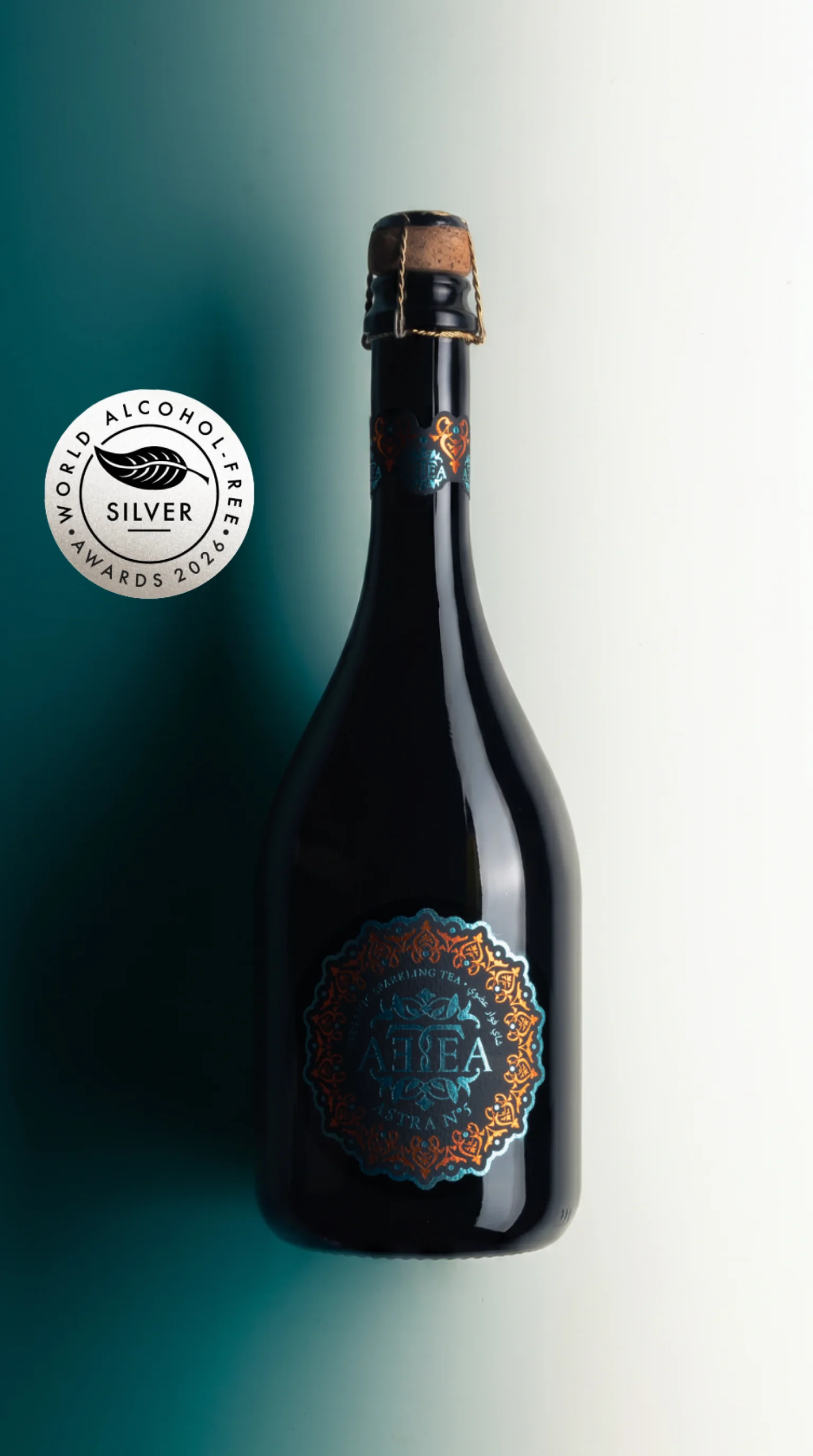
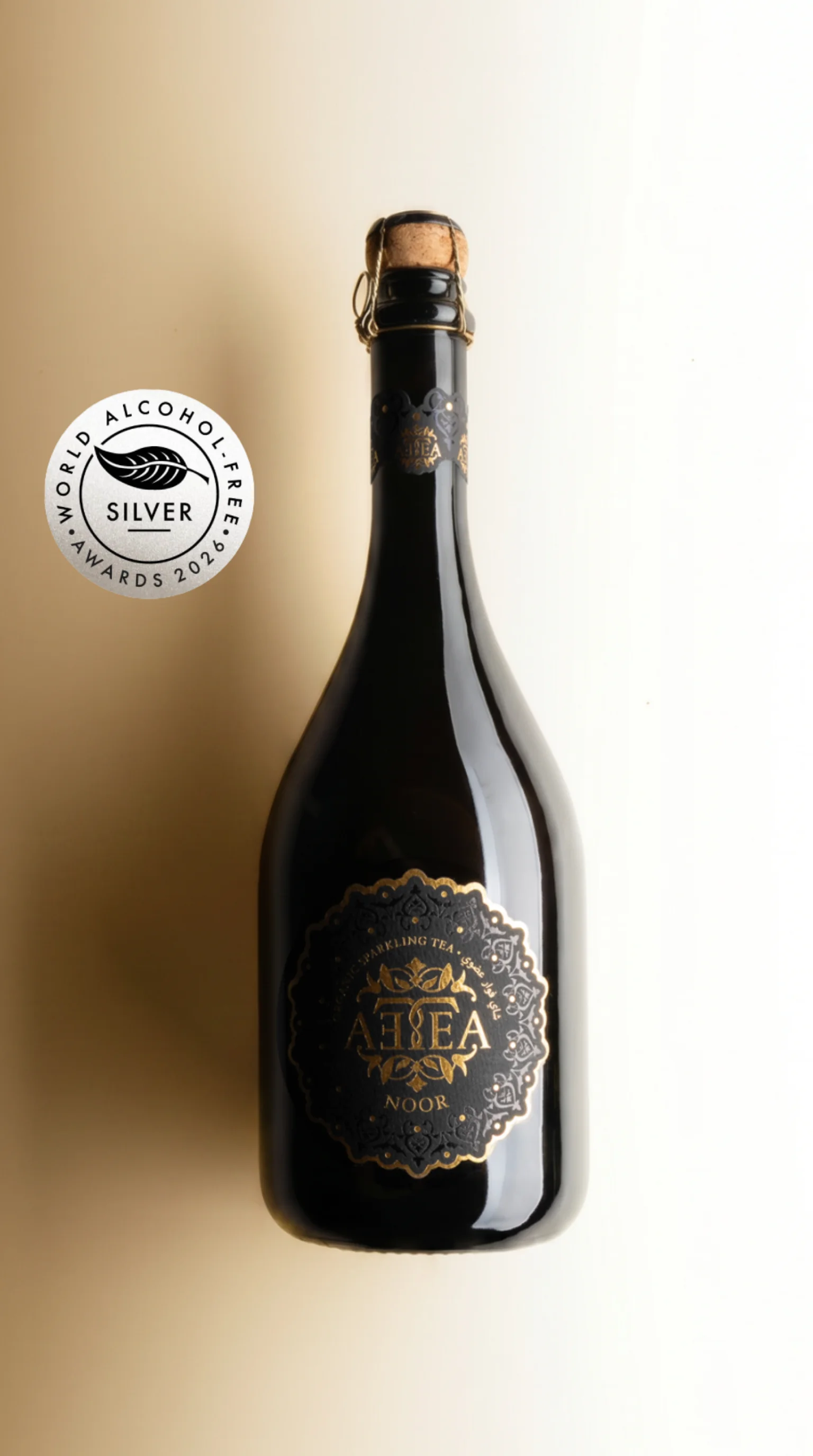
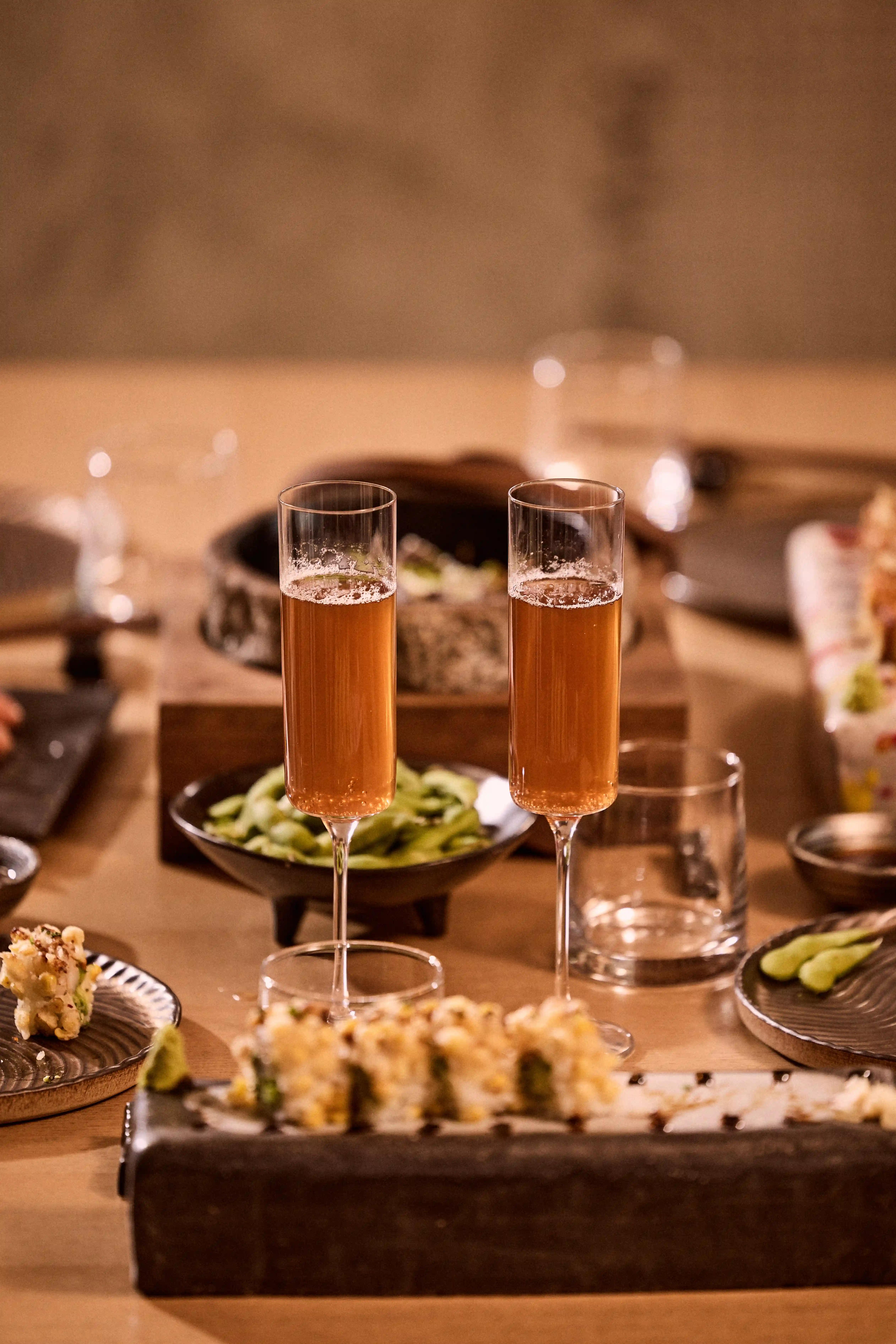
AETEA Sparkling Tea pairs best with food when you match the weight and intensity of the blend to the dish: Astra suits rich, roasted, and spiced flavors;
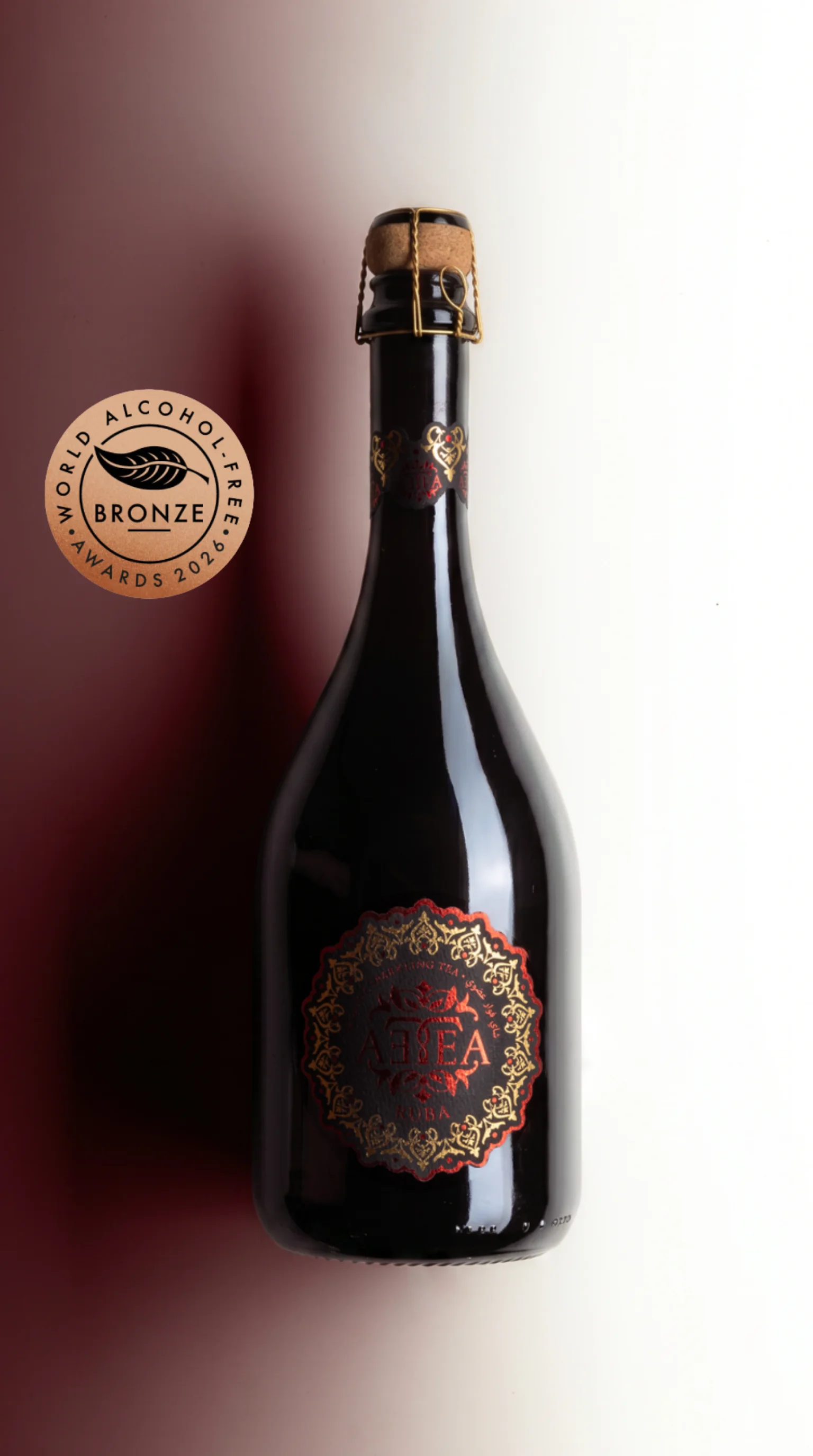
Noor pairs with lighter dishes, salads, and delicate seafood; and Ruba stands up to bold meats, grilled dishes, and fruit-forward desserts.
Carbonated tea follows similar pairing logic to wine, where the base flavor of the drink should complement rather than compete with what is on the plate.
Non-alcoholic dining has matured past the point where a single drink is expected to work with every course.
The best tables treat the drink selection with the same care as the food, and sparkling tea, with its distinct blend-by-blend character, makes that approach straightforward.
The same principles that guide wine pairing apply here. Light drinks suit light food. Bold drinks suit bold food. Effervescence cleanses the palate between bites, which makes sparkling tea naturally refreshing alongside richer dishes.
Tannins in tea, particularly in oolong-based blends, cut through fat and spice the way red wine tannins do. Floral, lighter teas soften beside delicate, clean-flavored dishes.
The difference is that with AETEA, there are three clearly distinct profiles to work with, each designed to perform differently at the table.
Astra is built on rooibos, with dates and lemon. Its character is warm, earthy, and gently sweet, without bitterness. This makes it the right choice for dishes with depth and richness.
Astra works particularly well with:
Noor is built on chamomile and green tea with citrus, giving it a light, floral, and clean character. This makes it the ideal match for dishes where delicacy matters.
Noor pairs well with:
Ruba is built on hibiscus and oolong tea with red fruit notes. Its tartness, depth, and vivid character make it the right choice for bold, intense dishes.
Ruba pairs well with:
Yes, and this is where the three-blend structure of AETEA becomes most useful. A thoughtful host or beverage manager can move through the blends across a meal the same way a sommelier moves through a wine list.
A practical course-by-course structure might look like this: Noor with starters and salads, Astra with the main course, and Ruba with dessert if the sweets are fruit-led or dark chocolate-based, or Astra again if the desserts are heavier and nut-based.
This kind of pairing approach also works well for hospitality venues in Dubai looking to build a structured non-alcoholic menu that gives guests genuine choices by course, not just a single default option.
Yes. AETEA can be used as a mixer base, in sauces, or in dessert recipes where a lightly sweet, carbonated tea character would enhance the dish.
Noor is the most versatile across a wide range of dishes, since its light, clean profile avoids clashing with delicate flavors while still pairing well with moderate richness.
Yes. The same principles apply because flavor harmony and contrast work the same way regardless of whether alcohol is present. A bold drink still competes with a delicate dish; a light drink still refreshes beside a rich one.
Ideally poured just as the course arrives, the same way wine is served, so it is still fully chilled and carbonated when the guest begins eating.