.webp)

Your cart is empty
My Cart
Suggested Products
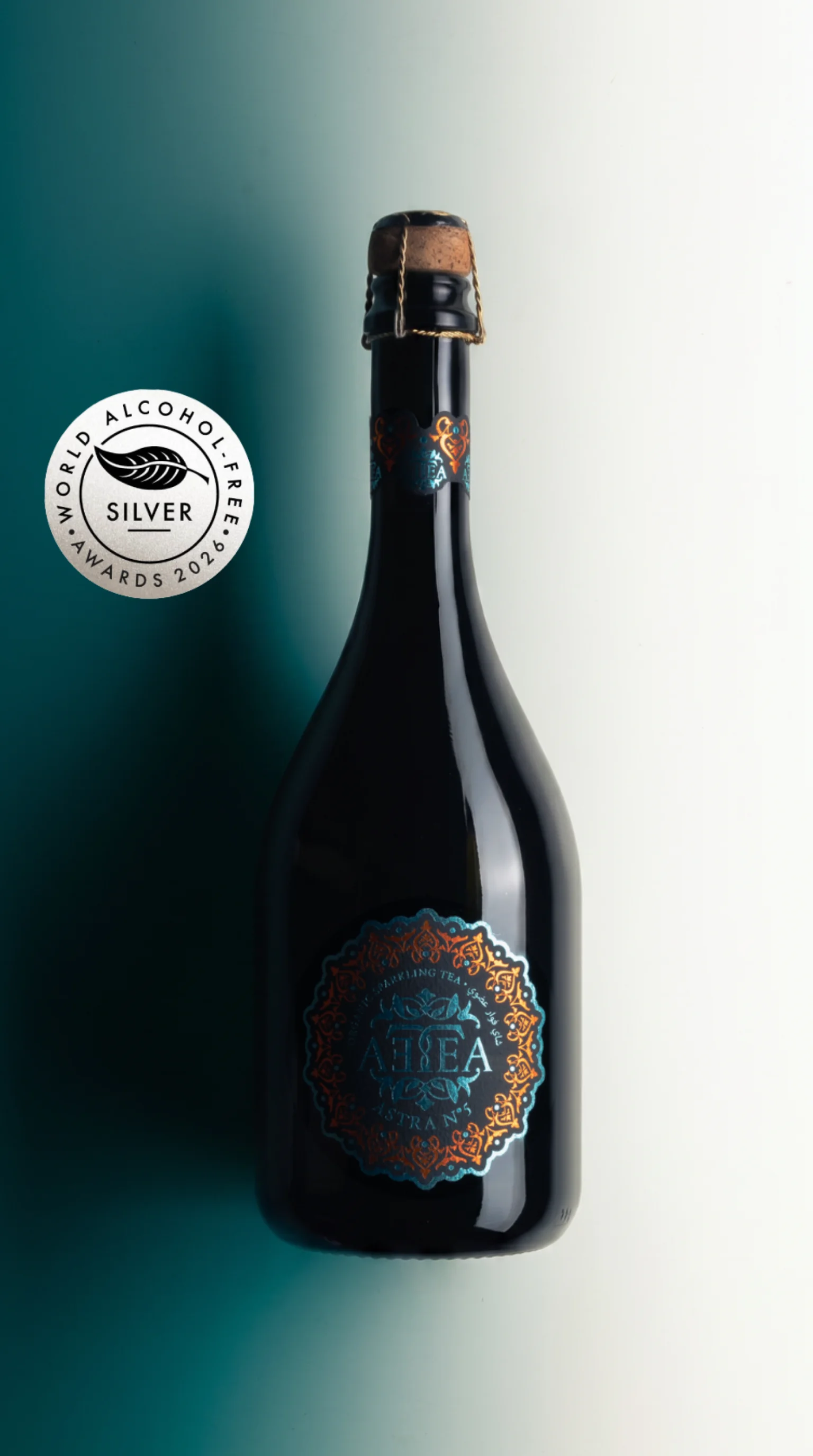
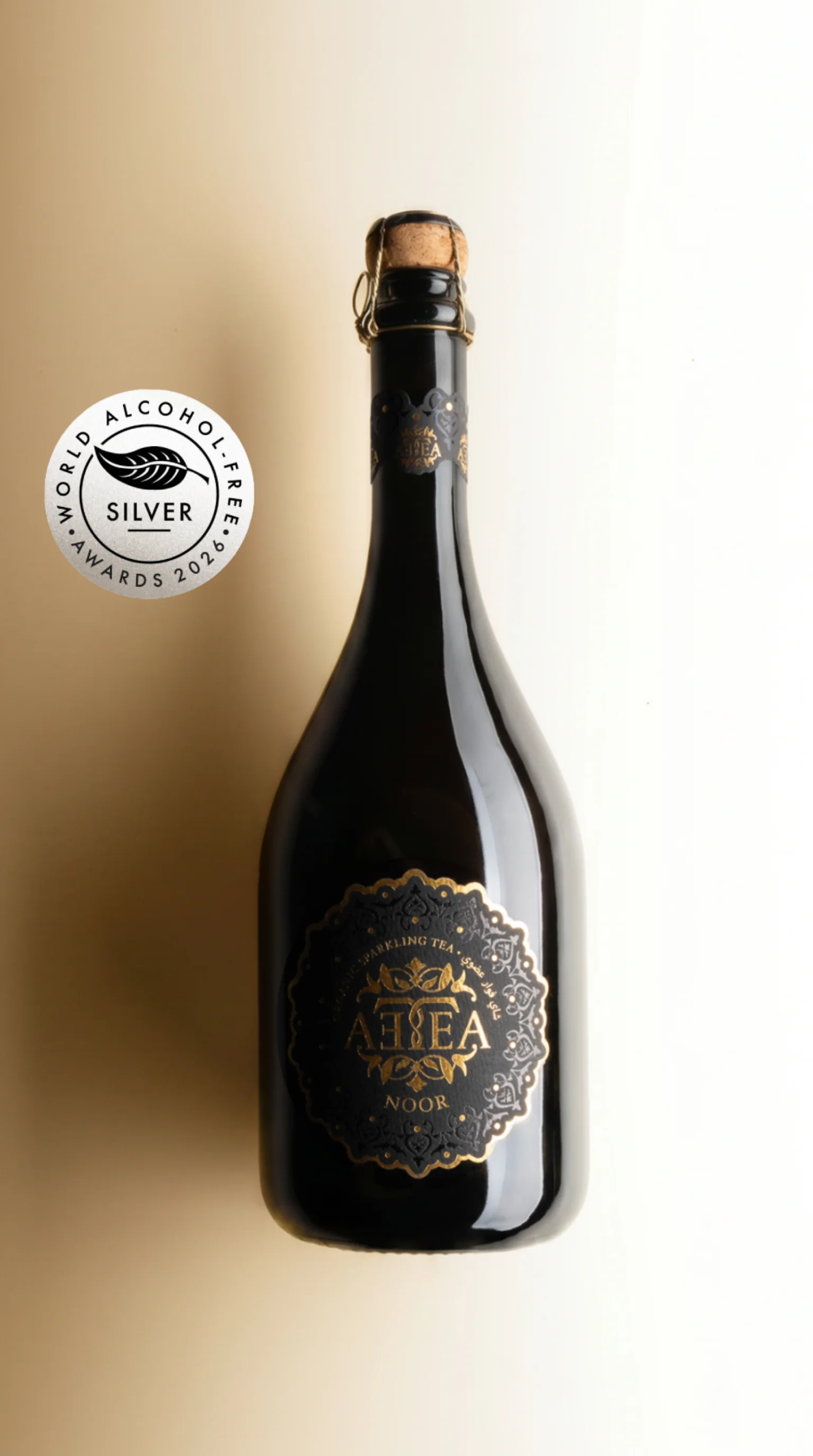
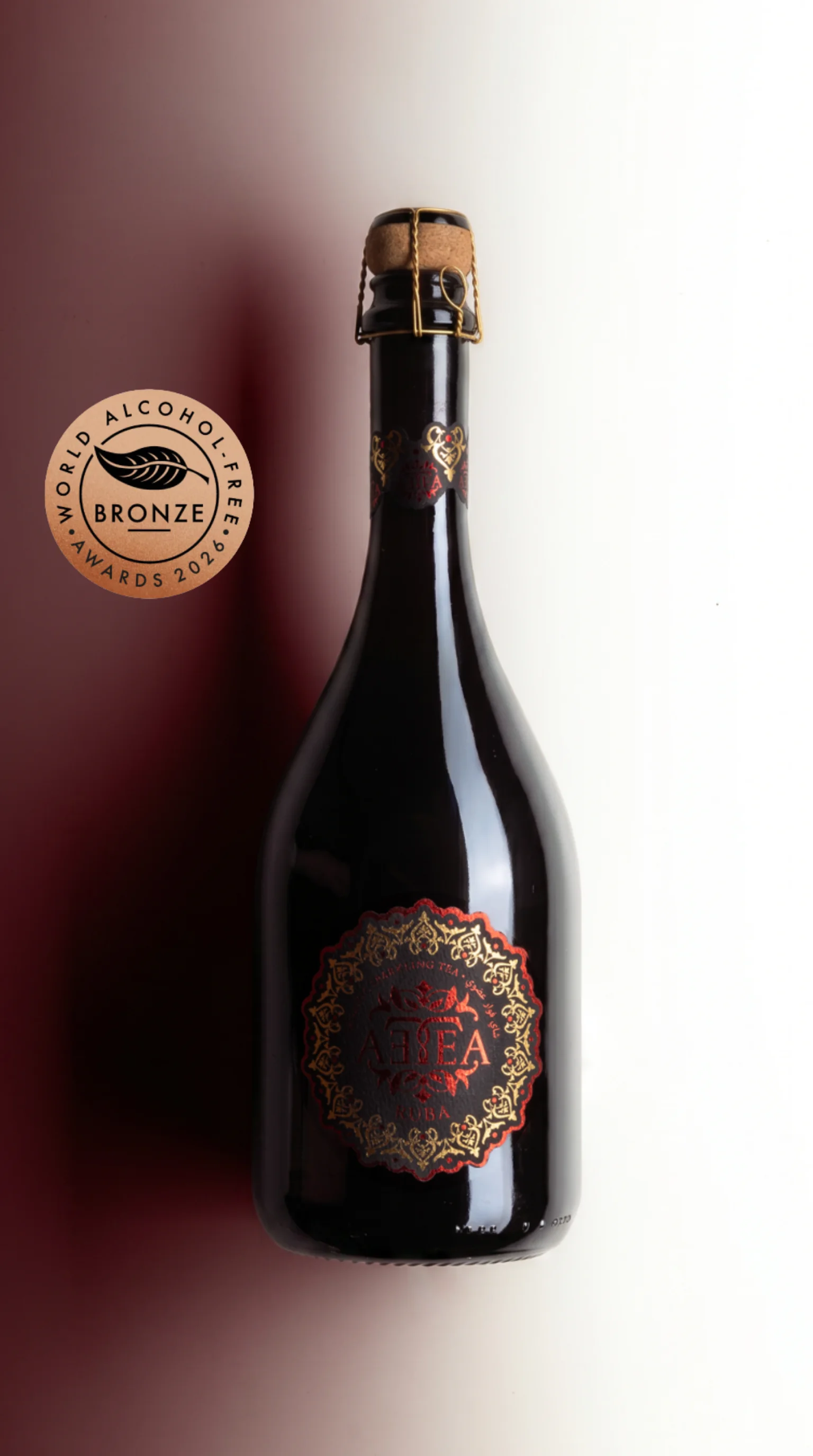
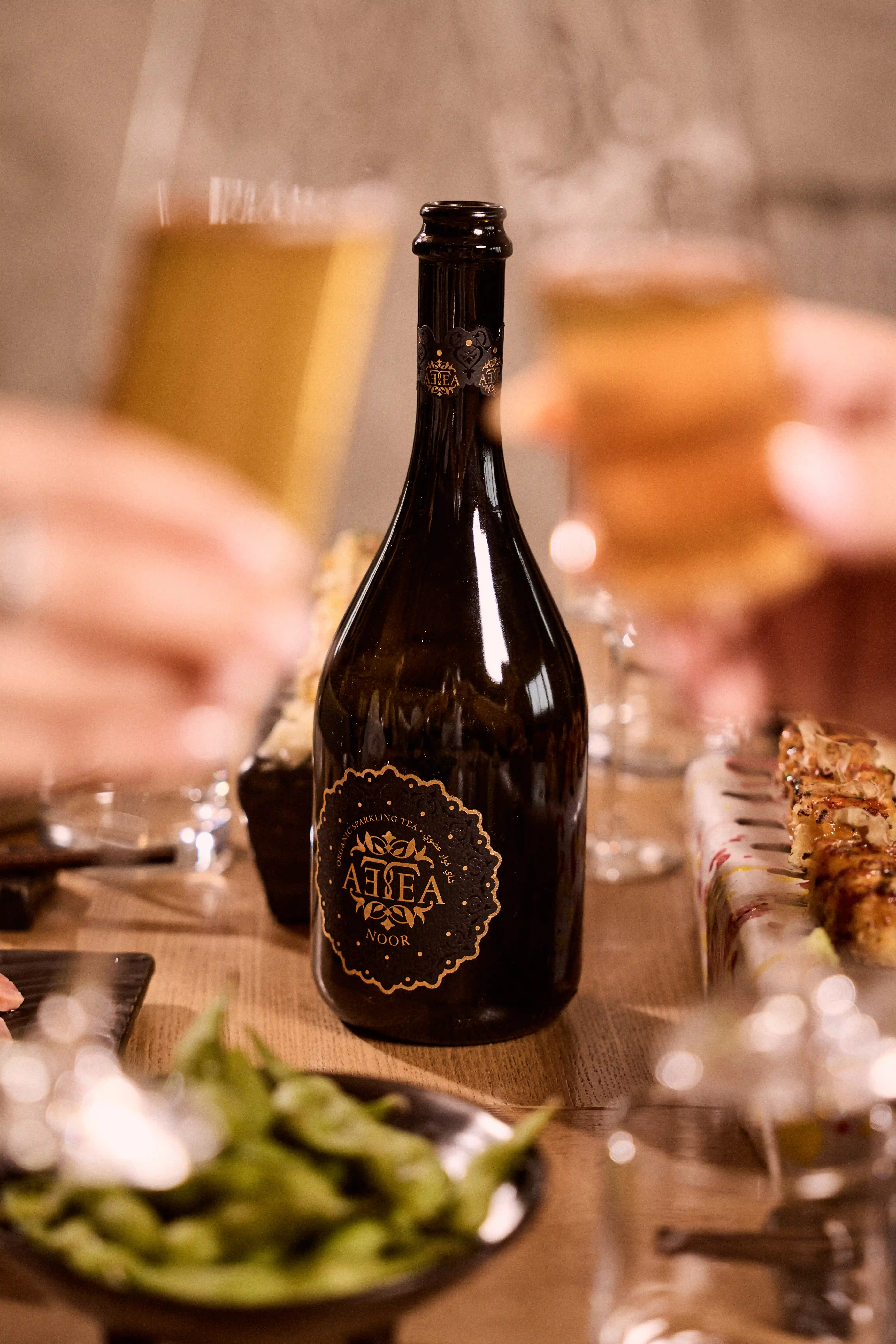
Hotels and fine dining venues in Dubai are building dedicated non-alcoholic drink menus by combining several premium categories, including sparkling tea, de-alcoholised wine, non-alcoholic beer, and crafted mocktails, to give guests a genuinely elevated alcohol-free experience rather than a single soft-drink substitute.
The shift is not a trend that will fade. It reflects a broader change in how guests across the UAE and the wider GCC want to celebrate, host, and dine, without alcohol being a requirement for elegance.
Dubai's hospitality scene serves an unusually diverse guest base, from residents observing halal values to international visitors who are simply drinking less alcohol by personal choice.
Venues that once offered a single mocktail option now recognize that alcohol-free guests deserve the same depth of choice as guests ordering wine or cocktails.
A well built non alcoholic menu today typically includes several distinct categories working together rather than competing:
Each category plays a different role on the table. The strongest menus treat them as complementary, not competing, options, the same way a wine list might offer red, white, and sparkling without asking guests to choose a single winner.
Sparkling tea performs particularly well at the dining table, where pairing matters. AETEA Astra suits richer, deeper-flavored courses.
Noor suits lighter, refined dishes. Ruba stands up to spice and bold flavor.
This pairing logic mirrors how a sommelier might recommend wine by course, which makes sparkling tea an easy, intuitive addition for restaurant and hotel beverage teams to introduce.
Three things matter most:
Venues building a serious non-alcoholic program increasingly look for suppliers who can explain provenance and ingredients clearly, the same diligence applied to a wine list.
Staff training matters as much as the drink itself. When servers can explain that Astra suits richer courses, Noor suits lighter dishes, and Ruba suits spice and bold flavor, guests treat the choice with the same seriousness as a wine recommendation.
This small shift, from offering a single generic mocktail to recommending a specific blend by course, is often what separates a forgettable non alcoholic experience from a memorable one.
Yes. Its layered flavor profile and pairing versatility make it well-suited to course-by-course dining, similar to wine service.
Yes. Many venues in Dubai now offer sparkling tea, de-alcoholised wine, and mocktails side by side, giving guests full freedom of choice.
Industry growth in this category reflects sustained, long-term demand from both halal observant guests and a broader global shift toward mindful drinking, rather than a short-lived trend.
Its organic, halal certified, no added sugar profile, combined with three distinct flavor blends, allows venues to offer a structured, pairing led non alcoholic option at the table.
